Published At : 15 Apr, 2026
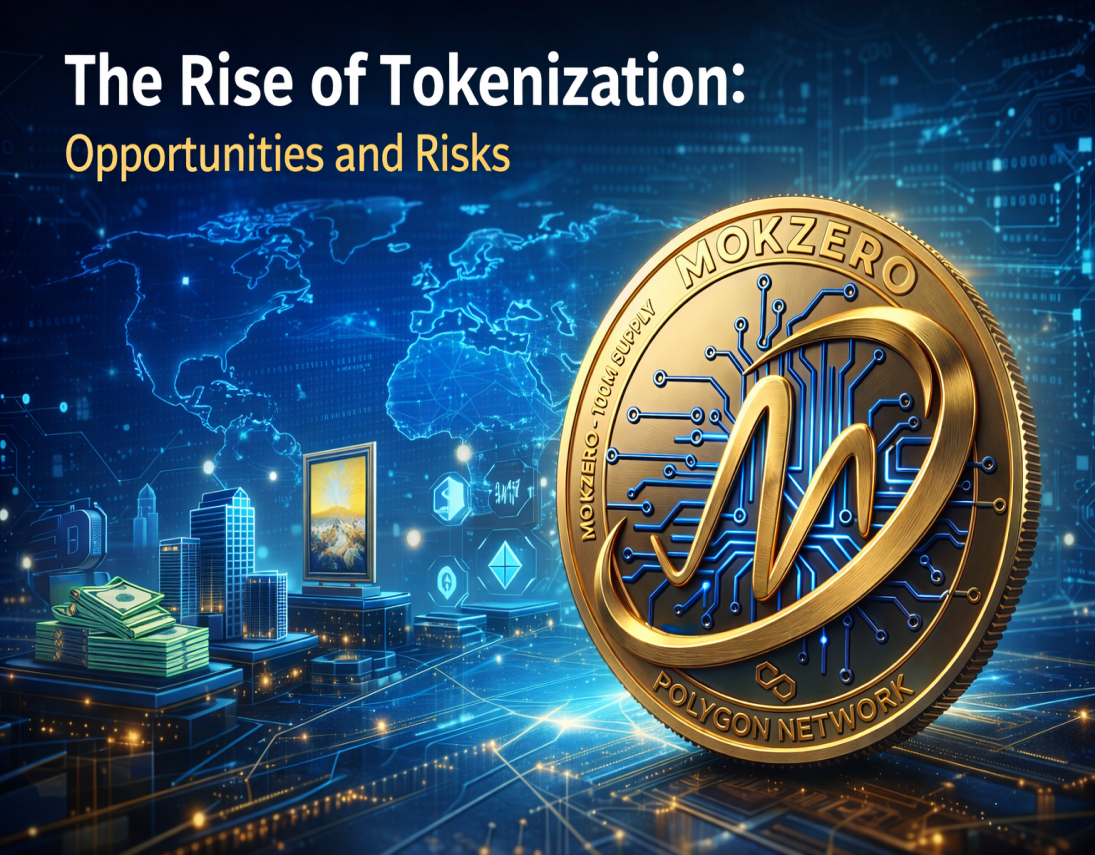
The Rise of Tokenization: Opportunities and Risks
The Rise of Tokenization: Opportunities and Risks
Introduction to Tokenization
What Is Tokenization?
The Rise of Tokenization is reshaping how we think about ownership, value, and investment. In simple terms, tokenization is the process of converting real-world or digital assets into digital tokens stored on a blockchain. These tokens represent ownership or rights to an asset, whether it's real estate, art, or even intellectual property.
Instead of dealing with traditional paperwork or centralized systems, tokenization allows people to buy, sell, or trade assets digitally. This shift is making financial systems more inclusive and efficient.
Evolution of Digital Assets
Digital assets have come a long way—from simple digital currencies to complex ecosystems of decentralized finance (DeFi). Early innovations focused on cryptocurrencies, but today’s landscape includes tokenized stocks, NFTs, and even tokenized real estate.
As technology evolves, tokenization is becoming a bridge between traditional finance and the digital economy.
How Tokenization Works
Blockchain Technology Basics
At the core of tokenization lies blockchain technology—a decentralized digital ledger that records transactions securely and transparently. Each transaction is verified by a network of computers, making it nearly impossible to alter or hack.
Smart Contracts Explained
Smart contracts are self-executing agreements written in code. They automatically enforce rules and conditions, eliminating the need for intermediaries.
For example, when you purchase a tokenized asset, the smart contract ensures ownership is transferred instantly once payment is completed.
Types of Tokens
Utility Tokens
These tokens provide access to a product or service within a platform. Think of them as digital coupons or access keys.
Security Tokens
Security tokens represent ownership in an asset, similar to stocks or bonds. They are often regulated and provide rights like dividends or voting power.
Asset-Backed Tokens
These tokens are tied to real-world assets such as gold, real estate, or commodities. They combine the benefits of physical assets with digital flexibility.
Key Opportunities of Tokenization
Increased Liquidity
Traditionally, assets like real estate or fine art are difficult to sell quickly. Tokenization solves this by breaking assets into smaller, tradable units. This means investors can buy or sell fractions of an asset easily, increasing market liquidity.
Fractional Ownership
One of the most exciting benefits of The Rise of Tokenization is fractional ownership. Instead of needing millions to invest in a property, you can own a small portion with a much lower investment.
This democratizes access to high-value assets and opens doors for everyday investors.
Global Accessibility
Tokenization removes geographical barriers. Anyone with an internet connection can invest in tokenized assets from anywhere in the world. This creates a truly global marketplace.
Transparency and Efficiency
Blockchain technology ensures that all transactions are recorded transparently. This reduces fraud, enhances trust, and speeds up processes that would otherwise take days or weeks.
Industries Transformed by Tokenization
Real Estate
Tokenization is revolutionizing real estate by allowing properties to be divided into digital shares. Investors can buy fractions of buildings without dealing with complex legal systems.
Finance and Banking
Banks and financial institutions are exploring tokenized securities and digital currencies. This can streamline operations, reduce costs, and improve transaction speed.
Art and Collectibles
Artists and collectors are using tokenization to sell digital ownership of artwork. This not only ensures authenticity but also enables artists to earn royalties from future sales.
Supply Chain
Tokenization enhances supply chain transparency by tracking goods in real time. Each product can have a digital token representing its journey from origin to consumer.
Risks of Tokenization
Regulatory Uncertainty
One of the biggest challenges in The Rise of Tokenization is the lack of clear regulations. Different countries have different rules, making it difficult for businesses to operate globally.
Security Vulnerabilities
While blockchain is secure, vulnerabilities can still exist in smart contracts or platforms. Hacks and exploits can lead to significant financial losses.
Market Volatility
Tokenized assets can be subject to high price fluctuations. This volatility can deter conservative investors and increase financial risk.
Lack of Standardization
The tokenization ecosystem lacks universal standards. This can create compatibility issues and confusion among users and developers.
Tokenization vs Traditional Systems
Key Differences
| Feature | Tokenization | Traditional Systems |
|---|---|---|
| Ownership | Digital Tokens | Paper/Records |
| Speed | Instant | Slow |
| Accessibility | Global | Limited |
| Transparency | High | Low |
Advantages Over Legacy Systems
Tokenization reduces reliance on intermediaries, lowers transaction costs, and increases efficiency. It also enhances security and trust through decentralized systems.
Future Trends in Tokenization
Integration with DeFi
Decentralized Finance (DeFi) is expected to integrate deeply with tokenized assets, enabling lending, borrowing, and trading without traditional banks.
Institutional Adoption
Large institutions are beginning to explore tokenization, which could lead to mainstream adoption and increased credibility.
Tokenization of Everything
From real estate to intellectual property, nearly any asset can be tokenized. This trend could redefine ownership and investment in the coming years.
Frequently Asked Questions
1. What is tokenization in simple terms?
Tokenization is converting assets into digital tokens on a blockchain that represent ownership or value.
2. Is tokenization safe?
It can be safe due to blockchain security, but risks like hacking and regulatory issues still exist.
3. What assets can be tokenized?
Real estate, art, stocks, commodities, and even intellectual property can be tokenized.
4. How does tokenization increase liquidity?
By dividing assets into smaller units, making them easier to buy and sell.
5. Are tokenized assets regulated?
Regulation varies by country and is still evolving.
6. What is the future of tokenization?
It’s expected to grow rapidly, integrating with finance, technology, and global markets.
Conclusion
The Rise of Tokenization is not just a trend—it’s a transformative shift in how we interact with assets and value. By enabling fractional ownership, improving liquidity, and enhancing transparency, tokenization is opening new doors for investors and businesses alike.
However, it’s not without risks. Regulatory uncertainty, security concerns, and market volatility must be carefully considered. As technology and regulations evolve, tokenization is likely to become a cornerstone of the global digital economy.
For further reading on blockchain and digital assets, visit this trusted resource: https://www.investopedia.com/